Understanding climate tipping points

On the edge: Understanding climate tipping points and why every fraction of a degree matters

What on earth is a “tipping point”?

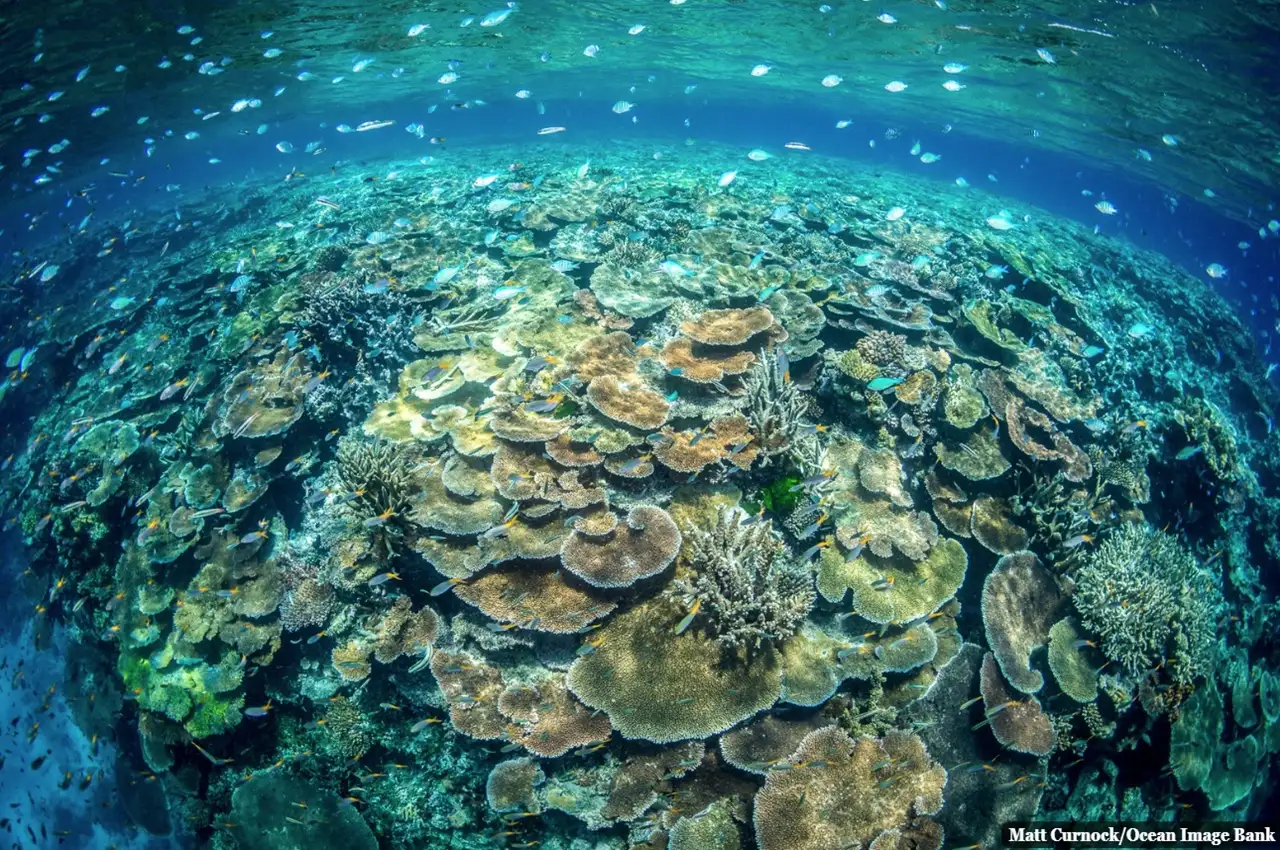
1. Warm‑water coral reefs

What they are: 

The colourful coral reefs in tropical seas that support up to a billion people and almost a million species with food, coastal protection and tourism income.

Why they matter: 

They are nurseries for fish, natural breakwaters that protect coasts, and cultural and economic pillars for many coastal communities.

Tipping range: 

The report estimates their thermal tipping point has a central value around 1.2 °C of global warming, with an uncertainty range of 1.0–1.5 °C.

Did you know?

We are already at about 1.4 °C of warming, so the central estimate of the tipping point has been passed, and even the upper end (1.5 °C) is likely to be reached very soon.

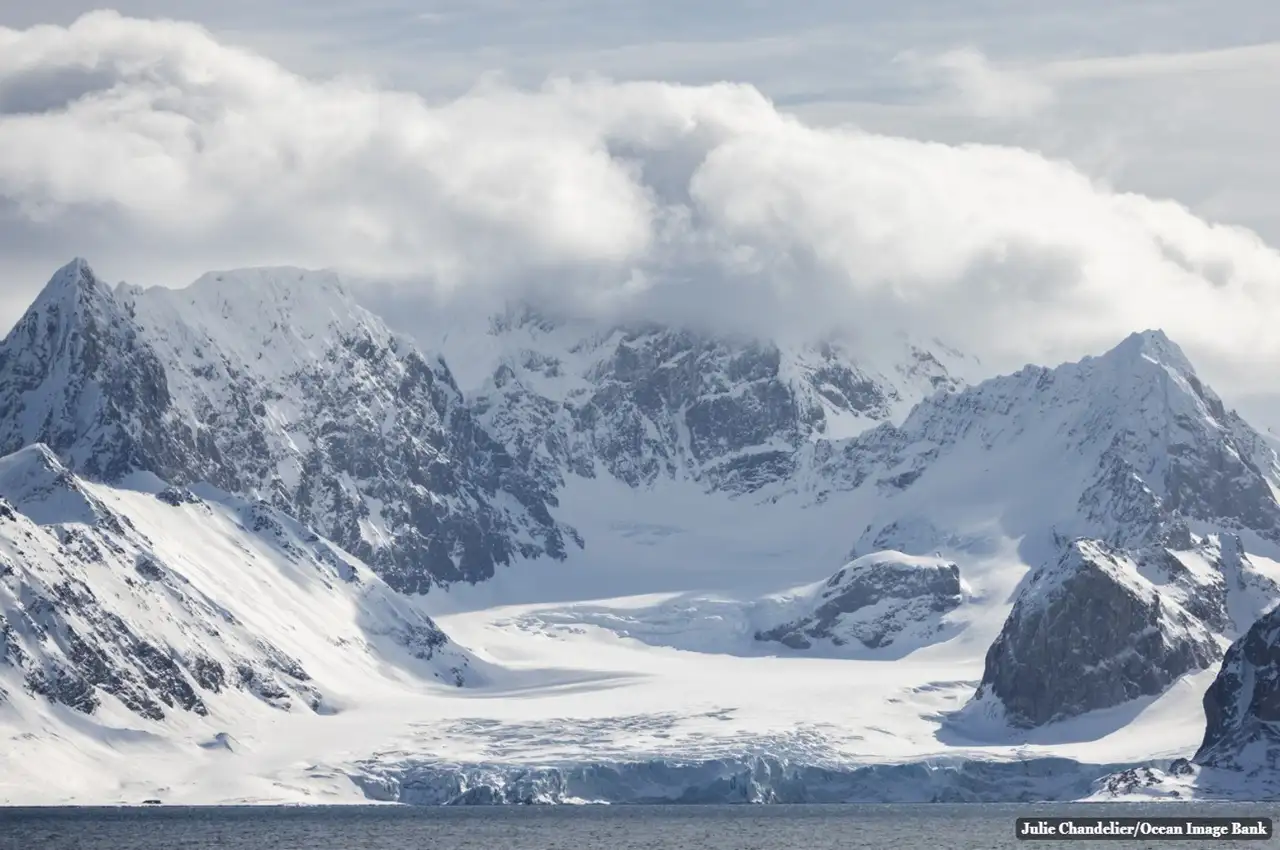
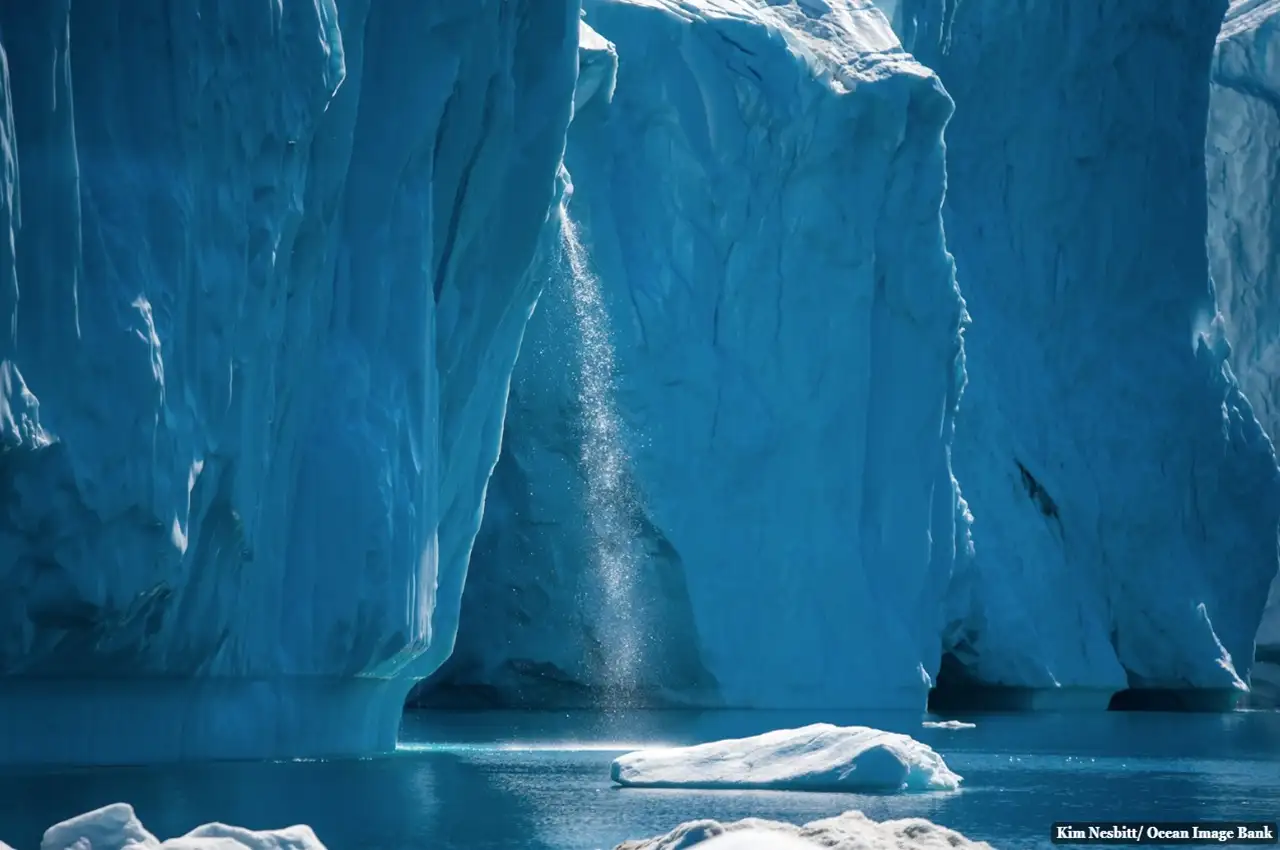
2. Polar ice sheets: Greenland and West Antarctica

Why they matter: 

Once they pass their tipping points, they can commit the world to several metres of sea‑level rise over centuries to millennia, reshaping coasts and threatening hundreds of millions of people in low‑lying regions and megacities.

Tipping range: 

Both the Greenland and West Antarctic ice sheets may have tipping thresholds below 2 °C, and there is a non‑negligible chance some parts tip below 1.5 °C.

Because they respond slowly, a very short and small overshoot might avoid full tipping, but if we stay too hot for too long, the commitment to large sea‑level rise becomes likely.

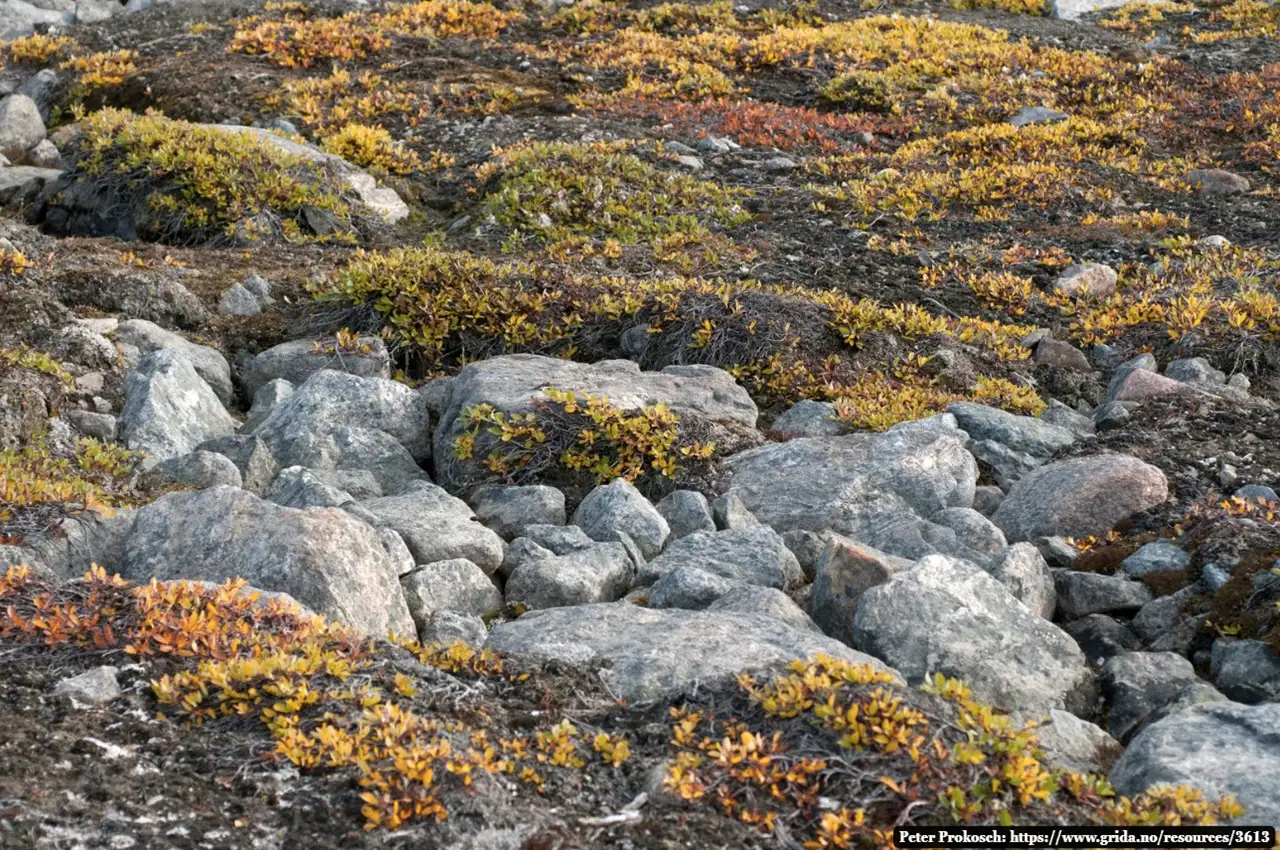
3. Permafrost

What it is: 

Permanently frozen ground in the Arctic and high mountains, trapping huge amounts of carbon in frozen soils.

Why it matters: 

When permafrost thaws, it releases carbon dioxide and methane, which add more warming. A dangerous feedback loop. It also damages roads, buildings and ecosystems in the Arctic when the ground becomes unstable.

Tipping range: 

Land permafrost is one of the systems that may reach its tipping point below 1.5 °C of warming.

4. The Amazon rainforest

regenwald

What it is:

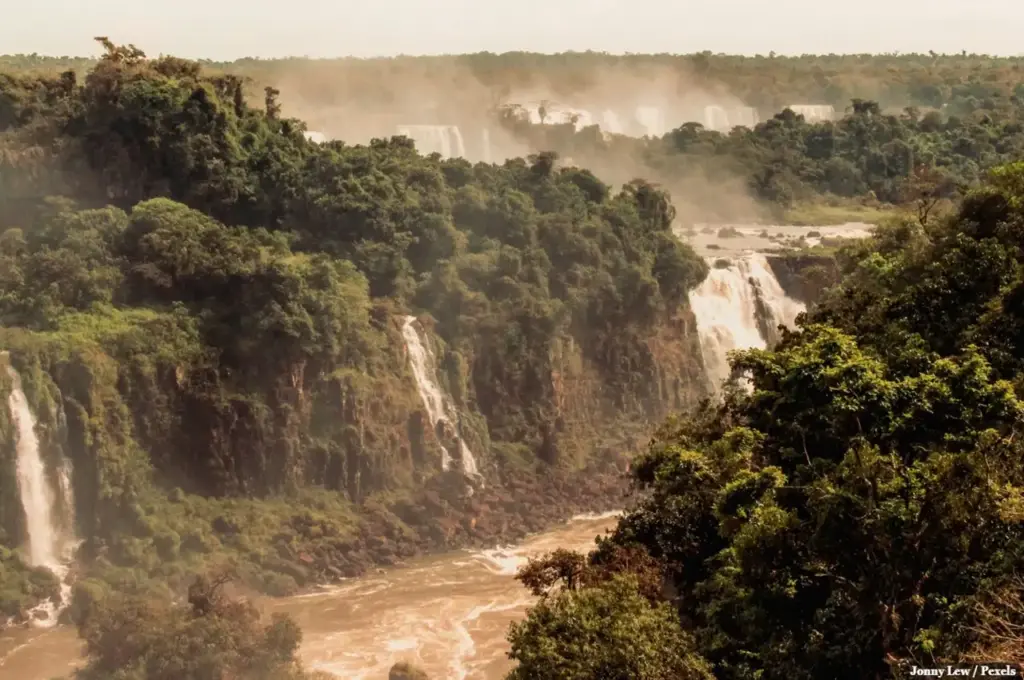
The largest tropical rainforest, a “green heart” of the planet that recycles moisture, stores vast carbon stocks and supports millions of people, including Indigenous communities.

Why it matters:

If too much of the forest is cut or dries out, large areas could shift towards savanna‑like ecosystems, releasing carbon, reducing rainfall and accelerating biodiversity loss.

Tipping range:

The report warns that widespread Amazon dieback could be triggered between about 1.5 and 2 °C of global warming, especially when climate change and deforestation interact.

5. Atlantic ocean circulation (AMOC and Subpolar Gyre)

What it is: 

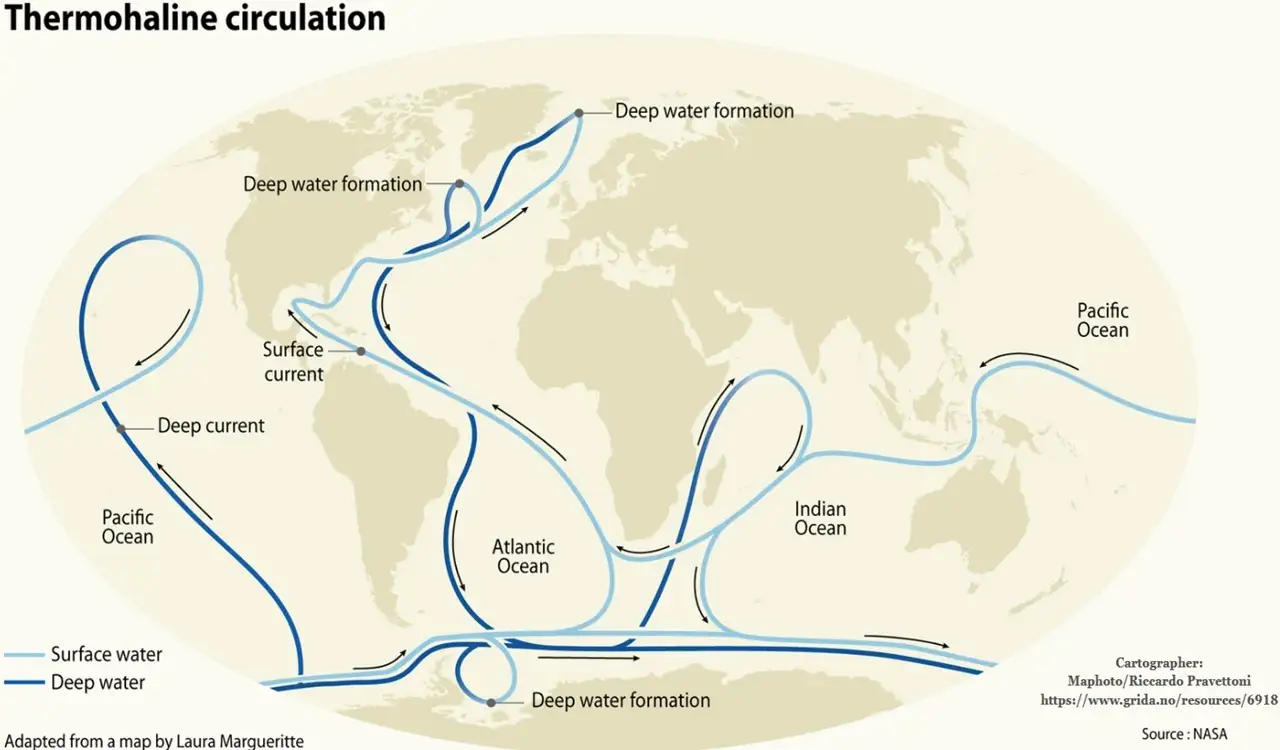
The Atlantic Meridional Overturning Circulation (AMOC) is a giant ocean “conveyor belt” that transports warm water north and cold water south. The North Atlantic Subpolar Gyre is a swirling current system tightly linked to it.

Why it matters: 

A collapse would mean much harsher winters in northwest Europe, shifts in tropical rain belts, disruption of the West African and South Asian monsoons, and big impacts on marine life and marine food production.


Tipping range: 

New research suggests that the Subpolar Gyre and possibly the AMOC could be at risk of tipping below 2 °C, and in the worst case an AMOC tipping point might even already be close to current warming levels.

thermohaline

6. Boreal forests and mountain glaciers

What they are: 

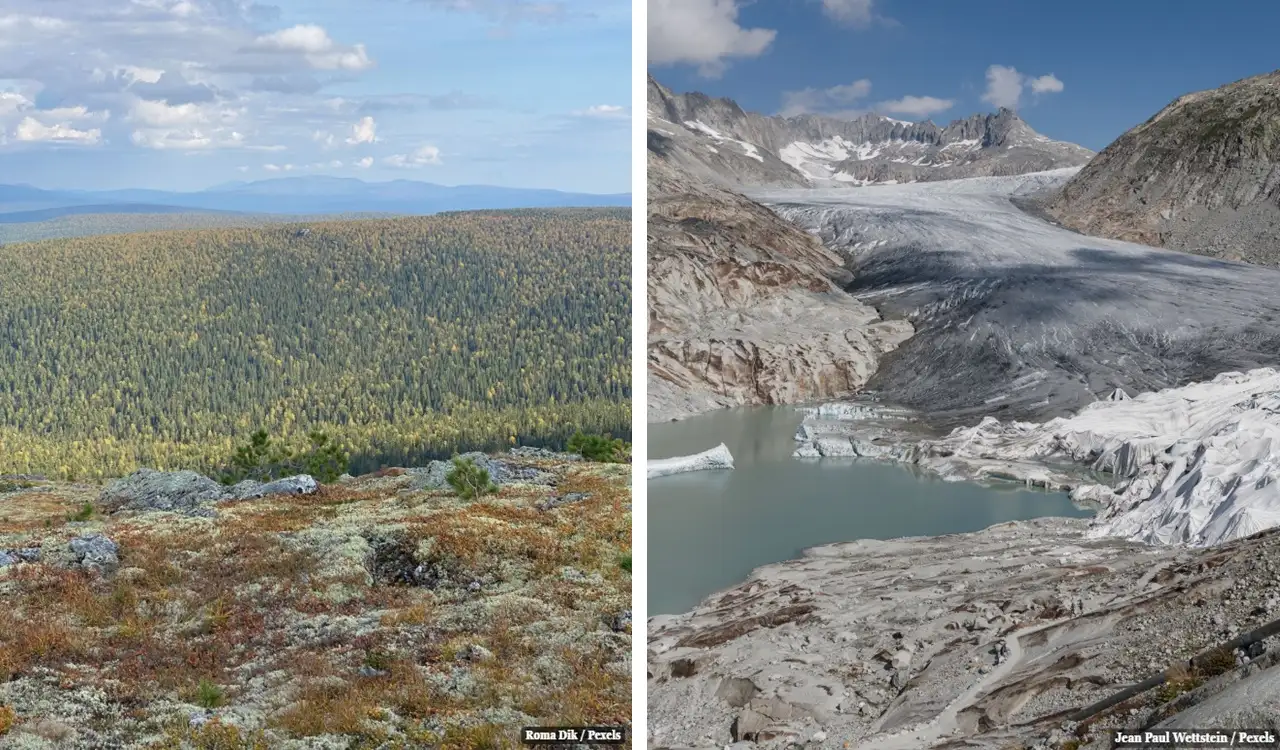
Boreal forests are the vast conifer forests across northern regions, mountain glaciers are ice bodies in ranges from the Alps to the Andes and Himalaya.

Why they matter: 

Boreal forests store much carbon and influence climate; mountain glaciers provide water for hundreds of millions of people and can create flood risks when they rapidly retreat.

Tipping range: 

Boreal forests and many mountain glacier systems add to the list of tipping elements that may tip below about 2 °C of global warming.

boreale waelder
infopoint

Summary

In total, the report concludes that five systems: Coral reefs, land permafrost, Greenland and West Antarctic ice sheets and the North Atlantic Subpolar Gyre may tip below 1.5 °C, and up to eight systems may tip below 2 °C.

Where are we now?

The report states that the 30‑year average of global warming has already reached around 1.4 °C above pre‑industrial levels, and that we are on track to overshoot 1.5 °C around 2030.

At this level of warming:

  • Warm‑water coral reefs are already crossing their thermal tipping point, with repeated mass bleaching and unprecedented die‑back.

  • Parts of the Greenland and West Antarctic ice sheets are shrinking at accelerating rates, and some sectors may have already passed their tipping thresholds.

  • Early warning signals (larger and more persistent fluctuations) are being detected in systems like the Amazon rainforest, the Greenland ice sheet and the Atlantic circulation, consistent with approaching tipping points.

warnung

Warning

In simple words: we are already in the danger zone for some tipping points, and we are moving closer to others every year we continue to heat the planet.

What happens when tipping points are crossed?

The key message is that many tipping processes are effectively irreversible on human timescales. Once triggered, they can unfold over decades, centuries or longer, and we cannot simply “undo” them with quick policy changes later.

The report highlights several types of impacts.

Sea‑level rise: Tipping the big ice sheets commits us to metres of sea‑level rise. This will slowly but surely redraw coastlines, flood deltas and low‑lying islands, and force millions to move.

Extreme weather and rainfall changes: A collapse of the AMOC or shifts in monsoon systems could drastically reshape rainfall patterns, causing new droughts and floods, undermining food and water security for billions of people.

Ecosystem collapse: Losing most warm‑water coral reefs would strip away vital coastal protection and the basis of reef fisheries and tourism. Up to a billion people who depend directly and indirectly on reefs would suffer, especially in tropical developing countries.

Cascades: Many tipping elements are linked. When one tipping point is crossed, it becomes more likely that others will follow. For example, a weakened Amazon rainforest produces less rain. This can reduce rainfall in other regions and put more pressure on other systems.

These changes translate into risks in everyday terms: food and water shortages, higher energy and adaptation costs, damage to infrastructure, health crises, forced migration, and rising social and political tensions.

What we need to do now

The report is very clear: how hot it gets and for how long really matters. Every fraction of a degree and every year above 1.5 °C increases the risk of crossing more tipping points.

To limit these risks, the authors say we must:

1. Cut global greenhouse‑gas emissions at record speed.

  • Halve global human‑made emissions by 2030 compared to 2010.
  • Reach net‑zero emissions by 2050, then move into net removal (taking more greenhouse gases out than we emit).
  • This includes rapid cuts in methane and other short‑lived climate pollutants, not just CO₂.

2. Phase out fossil fuels and scale up clean energy.

    • Strong policies are needed to mandate the transition. For example, ending sales of new petrol and diesel cars, replacing fossil fuel boilers, and rapidly expanding solar, wind and electrification.

It is important to note that every country needs its own solutions. There is no single plan that works everywhere. Each country and each region has different possibilities and different resources.

3. Protect and restore nature.
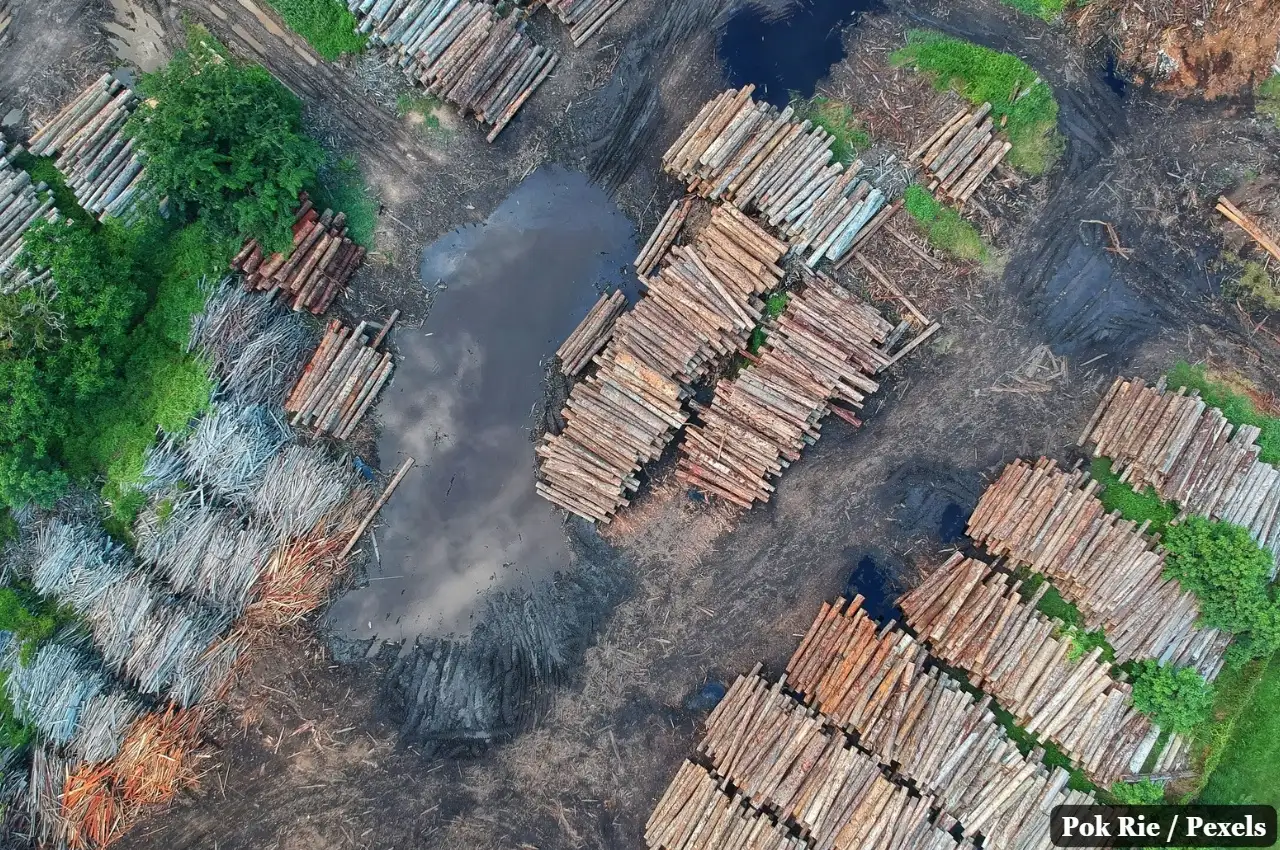
  • Stop deforestation, especially in the Amazon, and reduce degradation.
  • Reduce local stressors on coral reefs like overfishing and pollution to give them the best chance to survive even if we briefly overshoot their temperature limits.
  • Regenerate forests, wetlands and other ecosystems to store more carbon and support biodiversity.
4. Strengthen resilience and climate justice.
  • Support the communities most exposed to tipping‑point impacts. Small island states, Arctic peoples, monsoon‑dependent regions, and those living near degraded forests and reefs.
  • Use finance, law and governance to reduce risks and share the burdens fairly.
infopoint

It is also important to remember positive tipping points.

Positive tipping points are possible. They are self‑reinforcing waves of change in technology, behaviour and policy. One example is the rapid growth of solar energy or electric vehicles. These changes can help us act much faster than many people currently believe.

We are living in a decisive decade. Tipping points are not just scientific curiosities – they are warning lights on the dashboard of our only home. But they are also a call to action: if we move quickly and together, we can still reduce the number and severity of tipping points the world will have to endure, and keep the future far more liveable for everyone.

brain

Final thought

This topic is very scientific and very complex. It is normal to feel overwhelmed at first. Take in the information step by step. Reading this article is already an important first step toward understanding the subject. I also find it hard to see the whole picture sometimes. We move toward it together, one step at a time.

There will be more articles on this blog in the future. Each time you return to a topic, you understand a little more. So I want to leave you with a small reflective question. What is the one idea or one piece of information you are taking away from this article? Take a moment and think about it. I am sure something comes to mind.

You are already leaving this blog a little wiser than when you arrived. Building knowledge takes time, and our brains need this time to accept and process new things. Maybe you will come back to this article one day and discover something new. But for now, this is enough learning, even if not everything is clear yet.

Quellen:

Lenton, T. M., Rockström, J., Lade, S. J., Fetzer, I., & Smith, T. (Eds.). (2025). Global Tipping Points Report 2025. University of Exeter.

Follow me on
Instagram:

Webdesign: Zirngibl Media,
Postbauer-Heng
Germany